
Article: Why Natural Home Decor Makes a Home Feel More Inviting
Why Natural Home Decor Makes a Home Feel More Inviting
In recent years, natural home decor has become one of the most influential movements in interior design. As modern homes continue to embrace minimalism and clean architectural lines, many homeowners are searching for ways to make their interiors feel warmer and more welcoming. Natural materials provide the perfect solution by introducing texture, depth, and a subtle connection to the outdoors.
Unlike purely decorative trends, natural home decor focuses on elements that have lasting appeal. Materials such as stone, wood, woven fibers, and greenery create environments that feel authentic and calming. These materials reflect the beauty of nature while adding visual interest and balance to modern spaces.
Lighting also plays a crucial role in this design philosophy. When natural materials are combined with carefully designed lighting, the result is an atmosphere that feels relaxed, elegant, and comfortable. Soft illumination enhances textures and highlights organic shapes, allowing each material to contribute to the overall harmony of the room.
Homes designed with natural elements often feel more inviting because they prioritize warmth and comfort. Instead of relying on overly polished surfaces or artificial finishes, these interiors celebrate the imperfections and variations found in nature. The result is a living environment that feels both refined and grounded.
The Rising Popularity of Natural Materials in Interior Design
The growing popularity of natural home decor reflects a broader shift in the way people approach their living spaces. As lifestyles become increasingly busy and technology-driven, many homeowners seek interiors that provide a sense of calm and balance.
Natural materials help achieve this by introducing textures and tones that feel familiar and soothing. Wood furniture adds warmth, stone surfaces bring stability, and woven fabrics soften the overall look of a room. These materials work together to create spaces that feel comfortable rather than overly structured.
Another reason natural materials are so appealing is their versatility. They can easily blend with different design styles, including modern minimalism, Scandinavian interiors, Japandi design, and even contemporary luxury spaces. Instead of dominating the room, natural elements complement the architecture and enhance the existing design.
Sustainability also plays a role in this trend. Many homeowners are now more conscious of the materials they bring into their homes. Natural decor often emphasizes durable and responsibly sourced materials that age gracefully over time.
By choosing natural textures and finishes, homeowners can create interiors that feel timeless rather than trend-driven.
Lighting as the Foundation of Natural Interiors
While furniture and decorative elements contribute to the structure of a space, lighting is what ultimately defines its atmosphere. The type of light used in a room influences how colors appear, how textures are perceived, and how comfortable the environment feels.
In natural home decor, lighting is typically soft, layered, and warm. Harsh overhead lighting can make a space feel sterile, whereas diffused lighting highlights materials and creates a relaxed mood.
Fixtures made from natural materials such as bamboo, rattan, or stone help reinforce the organic character of the interior. Instead of producing direct and intense brightness, these materials allow light to filter through gently, creating subtle shadows and depth.
Layered lighting is another essential aspect of natural interiors. Designers often combine ceiling lights, wall sconces, and table lamps to create a balanced environment. This approach ensures that light is distributed evenly throughout the room while maintaining a comfortable ambiance.
Warm color temperatures, typically between 2700K and 3000K, are especially effective in natural interiors. This type of light mimics the warmth of sunlight in the evening and enhances the richness of organic materials.
Alabaster: A Material That Elevates Natural Lighting
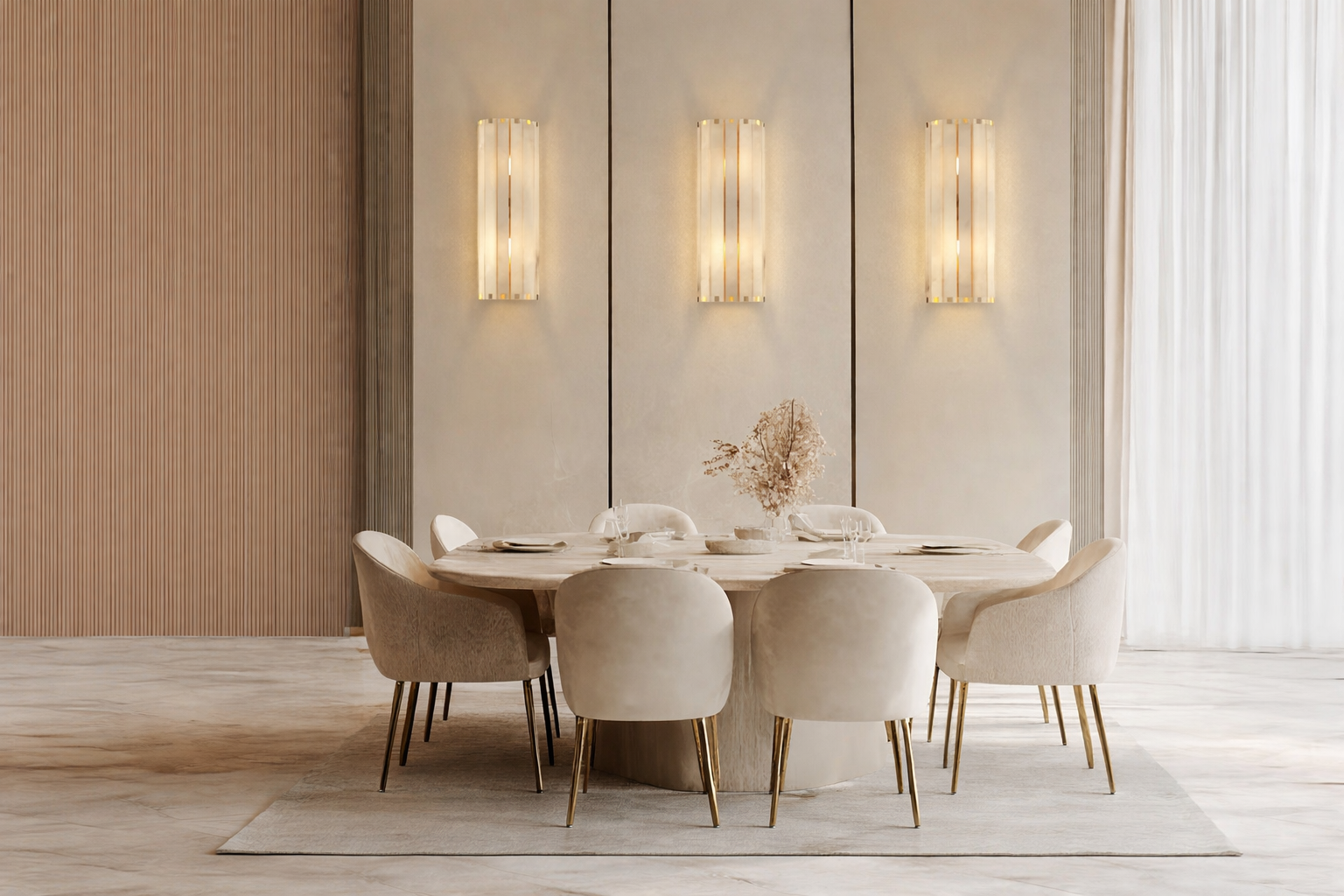
Alabaster has become increasingly popular in modern lighting design because of its unique ability to diffuse light beautifully. This natural stone is known for its soft translucency and delicate veining, which allow light to pass through in a gentle and atmospheric way.
Each piece of alabaster forms naturally over time, which means that every fixture made from this material is unique. Subtle differences in color and texture give alabaster lighting a sculptural quality that cannot be replicated by synthetic materials.
Because of its elegant appearance, alabaster works well in both contemporary and classic interiors. It introduces warmth and sophistication without feeling overly ornate.
In natural home decor, alabaster lighting often becomes a centerpiece within the room. The soft glow produced by the stone creates a calm and inviting environment while highlighting the organic beauty of the material itself.
Stone Elements That Ground the Space
Stone has long been associated with strength and permanence in architecture and interior design. In natural home decor, stone elements help anchor a space and provide a sense of stability.
Whether used in flooring, countertops, decorative objects, or lighting fixtures, stone adds texture and visual weight to interiors. Its natural variations in color and pattern create depth and character that artificial materials often lack.
Travertine, marble, and limestone are particularly popular choices for natural interiors. These materials bring subtle elegance while maintaining an organic feel.
When incorporated into lighting design, stone elements can create striking yet understated fixtures. Their solid structure contrasts beautifully with softer materials such as fabrics or woven fibers.
Stone lighting works especially well in living rooms, dining areas, and entryways where it can act as a focal point while maintaining a calm aesthetic.
Organic Fibers That Add Warmth and Texture
Another defining feature of natural home decor is the use of woven materials. Bamboo, rattan, hemp rope, and other organic fibers introduce warmth and texture that soften modern interiors.
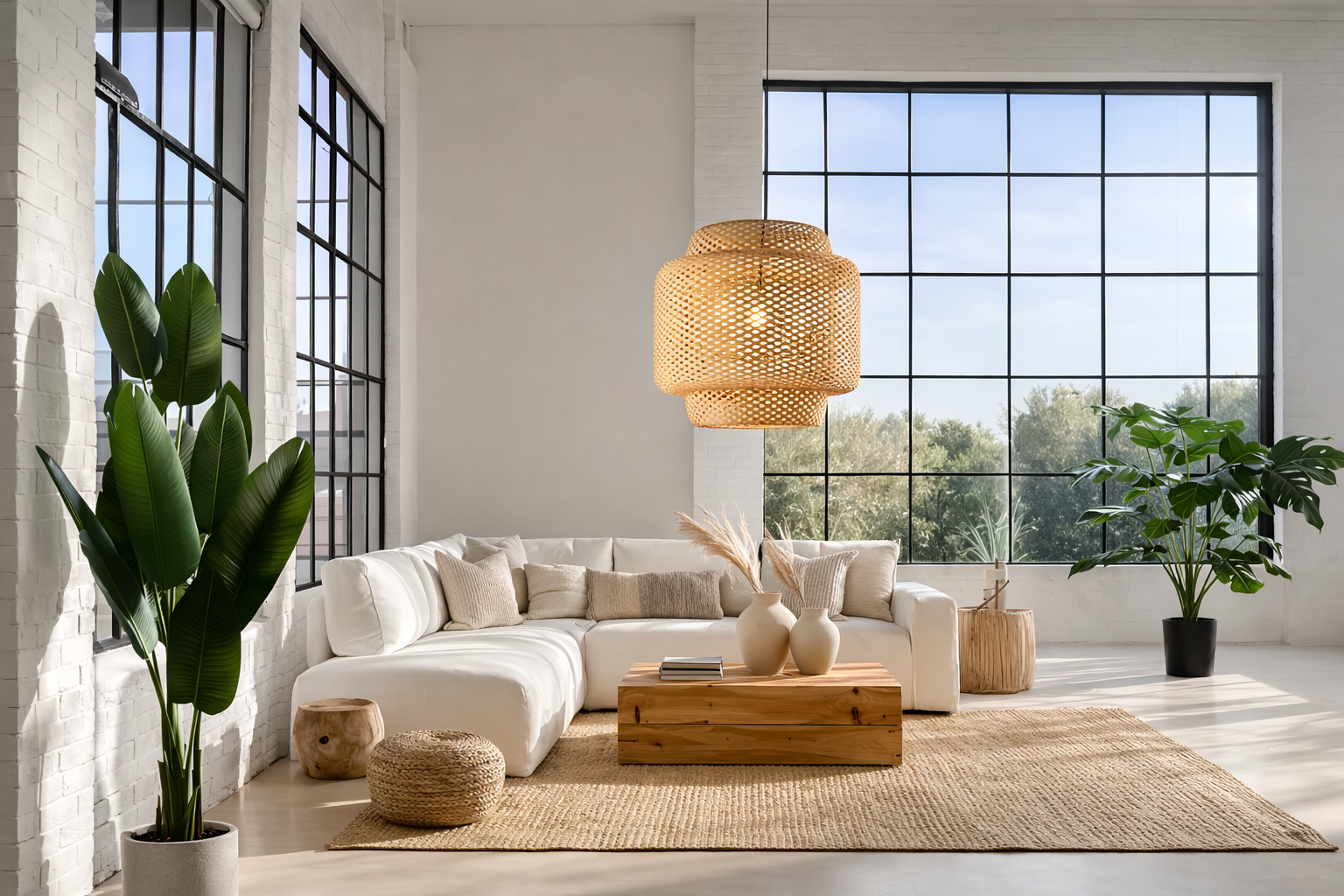
These materials are commonly used in pendant lights, lampshades, and decorative fixtures. Their woven structures allow light to pass through naturally, creating layered illumination that enhances the atmosphere of a room.
Unlike solid materials that produce direct brightness, woven lighting diffuses light gently across the space. This effect helps create a comfortable and inviting environment that is ideal for living areas and bedrooms.
Organic fiber lighting also complements other natural elements such as wooden furniture, linen textiles, and indoor plants. Together, these materials create a cohesive design language that emphasizes warmth and balance.
The Role of Greenery in Natural Home Decor
Plants play an essential role in completing the look of natural interiors. Greenery introduces movement, color, and life into a space while strengthening the connection between indoor environments and the natural world.
Large plants can act as sculptural features within a room, while smaller plants help soften shelves, tables, and corners. Their presence creates a sense of freshness and vitality that cannot be replicated by decorative objects alone.
Even in homes where maintaining live plants may be difficult, artificial greenery can still provide visual benefits. High-quality artificial plants bring the same aesthetic value without requiring maintenance.
When paired with natural lighting elements, greenery becomes even more effective. Soft light enhances the shapes and textures of leaves, creating dynamic shadows that add depth to the room.
Creating Harmony Through Layered Natural Design
Successful natural interiors rely on balance. Combining too many materials can make a room feel cluttered, while too few textures may result in a space that feels flat.
Designers therefore focus on layering materials in a thoughtful way. Stone surfaces can be paired with warm lighting, woven textiles can complement smooth wooden furniture, and greenery can soften architectural lines.
Metal accents such as brass or brushed gold are often used sparingly to add refinement without disrupting the organic character of the design.
This layered approach ensures that each element contributes to the overall atmosphere of the space while maintaining visual harmony.
Why Natural Home Decor Feels So Welcoming
The reason natural home decor feels so inviting lies in its ability to balance beauty with comfort. By incorporating materials that reflect nature, interiors become more relaxed and human-centered.
Soft lighting, organic textures, and natural colors work together to create environments that feel calm and restorative. Instead of overwhelming the senses, these spaces encourage relaxation and well-being.
As more homeowners prioritize comfort and authenticity in their living spaces, natural home decor continues to gain popularity. Its timeless materials and balanced design principles make it suitable for a wide range of homes and lifestyles.
By combining natural materials with thoughtful lighting and carefully layered textures, it is possible to create interiors that feel both elegant and welcoming.